Real Estate Automation in 2026

In 2026, the real estate industry is experiencing a transformative shift powered by AI, automation, and smarter data workflows. The biggest change isn’t just that new tools exist-it’s that buyers, sellers, investors, and tenants now expect faster responses, cleaner information, and a smoother transaction experience. For agents and agencies, adopting real estate automation has moved from “nice to have” to a practical requirement for staying competitive.
At the same time, the market is stabilizing after years of volatility. According to the National Association of Realtors, home prices have been catching their breath, with projections pointing to a modest rise (around 2%), placing the median home price near the low $400Ks. In a steadier market, the winners aren’t only those with the biggest advertising budgets-they’re the teams that can move quickly, follow up consistently, and keep their data accurate across every listing, lead, and transaction.
This is where automation and intelligent document processing become real advantages.
The Real Estate Market in 2026: What You Need to Know
Real estate in 2026 feels more “operational” than ever. Clients are informed, comparison shopping is instant, and the transaction timeline is still packed with paperwork. Meanwhile, agents are juggling lead generation, showings, negotiations, compliance tasks, and follow-ups-often across multiple platforms.
Here’s the real issue: most real estate businesses don’t lose time in one big place. They lose it in hundreds of micro-tasks-copying lead info from an email to a CRM, typing invoice totals into a spreadsheet, extracting names and addresses from a contract, sending status updates, and chasing missing documents.
AI and automation tools reduce that friction. They don’t replace real estate professionals-they remove the “read, copy, paste, and retype” work that drains time and introduces errors.
What Is Real Estate Automation?
Real estate automation refers to using technology-software, AI tools, and app integrations-to streamline tasks across buying, selling, leasing, and property management.
Instead of manually managing every step, automation helps you:
- capture and organize leads automatically
- schedule showings and reminders
- generate and send routine communications
- keep CRMs and spreadsheets updated
- process documents faster (contracts, invoices, IDs, receipts)
- trigger tasks and workflows based on events (new lead, signed agreement, payment received)
Think of it as building a system where the routine work happens in the background, and your team focuses on clients, strategy, and closing deals.
Why Automate Real Estate Processes?
Automation is not just about speed-it’s about consistency, accuracy, and scalability.
1) Save hours every week (without hiring)
Real estate professionals handle a high volume of repetitive work: lead follow-ups, status updates, data entry, document collection, and transaction coordination. Automation reduces manual effort so you can spend more time on revenue-driving activities like negotiations, relationship building, pricing strategy, and referrals.
A simple example: when a new lead emails you from a portal, automation can capture the name, phone number, property of interest, and timeline-then push it into your CRM instantly, assign a follow-up task, and notify your team. That’s 10–15 minutes saved per lead, multiplied across the week.
2) Improve accuracy and reduce compliance risk
Manual data entry is a quiet profit killer. A single incorrect digit in a price, an address typo, or a missing document field can create delays, unhappy clients, or legal headaches.
Automation tools-especially AI-powered document processing-improve data reliability by extracting information directly from source documents and standardizing it across systems.
3) Increase responsiveness (a conversion advantage)
Today’s buyers want instant answers. Many clients-especially mobile-first audiences-expect quick quotes, immediate confirmations, and fast updates. Automation supports this expectation with real-time notifications, templated messaging, and smart routing of inquiries.
4) Scale operations without chaos
When your deal volume rises, the paperwork rises with it. Automation gives you the ability to handle more transactions without sacrificing service quality. Instead of “working harder,” you’re working with a more efficient pipeline.
The Missing Link: Document Automation in Real Estate
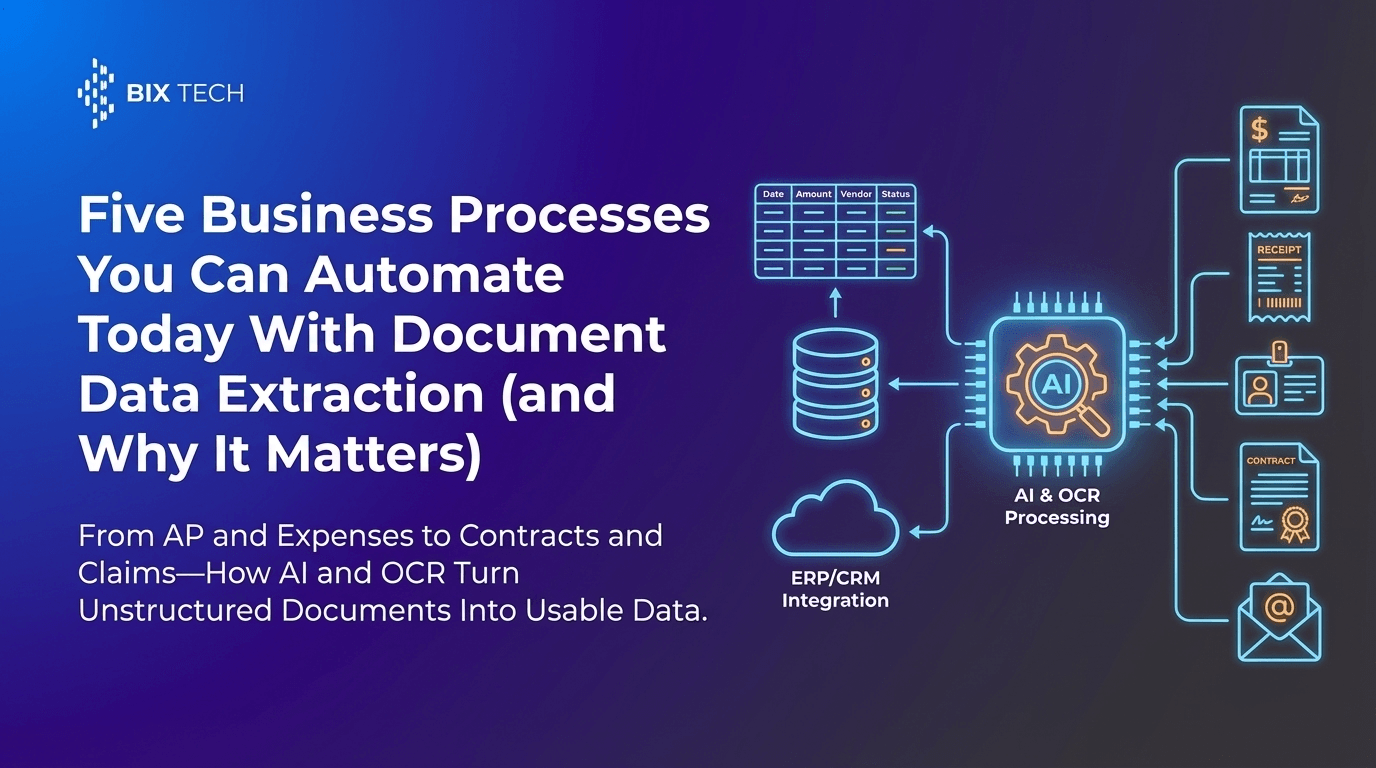
If you ask most teams where things slow down, the answer often includes documents: contracts, invoices, IDs, receipts, disclosures, repair requests, lease agreements, and lender forms. These documents carry critical data-but it’s usually trapped in PDFs, scans, images, or emails.
That’s why intelligent document processing (IDP) has become a major trend in real estate automation for 2026.
Parser: Intelligent Document Processing for Real Estate
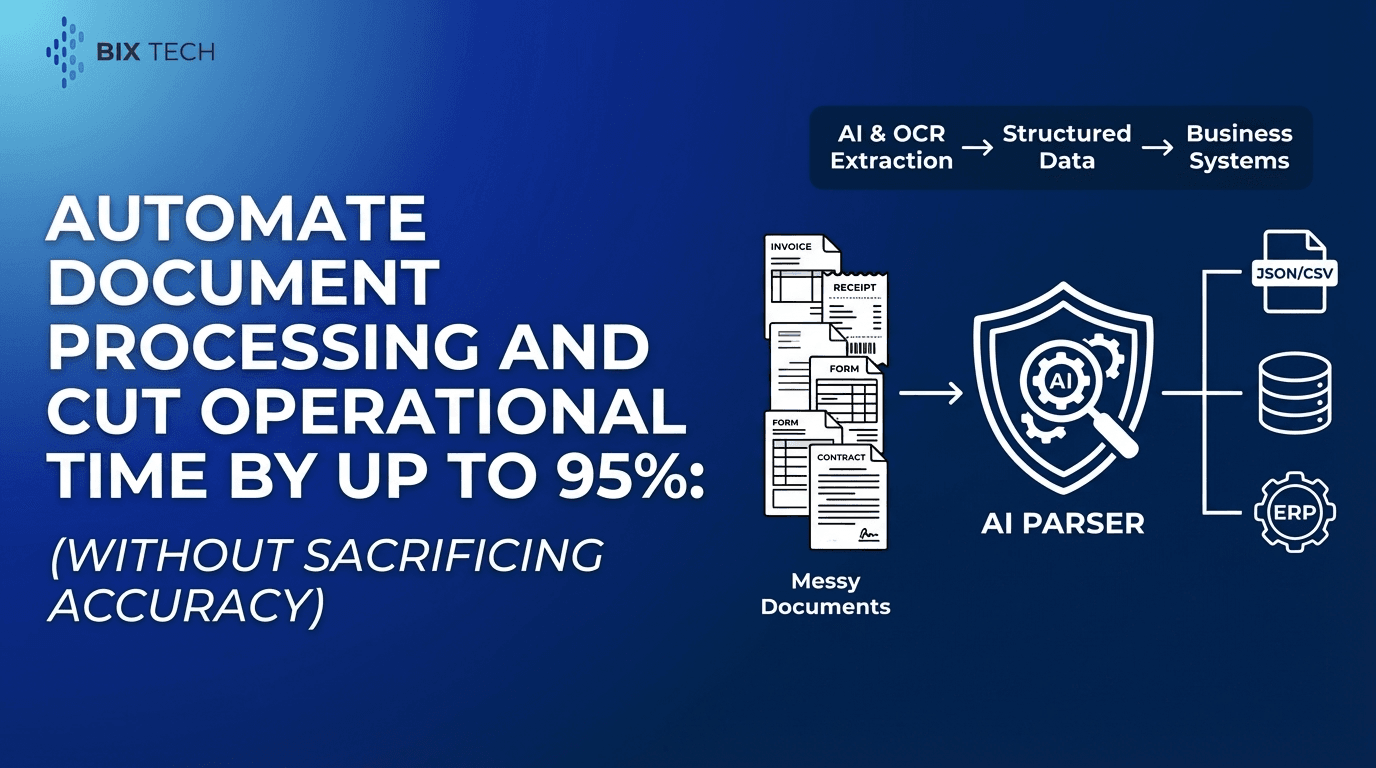
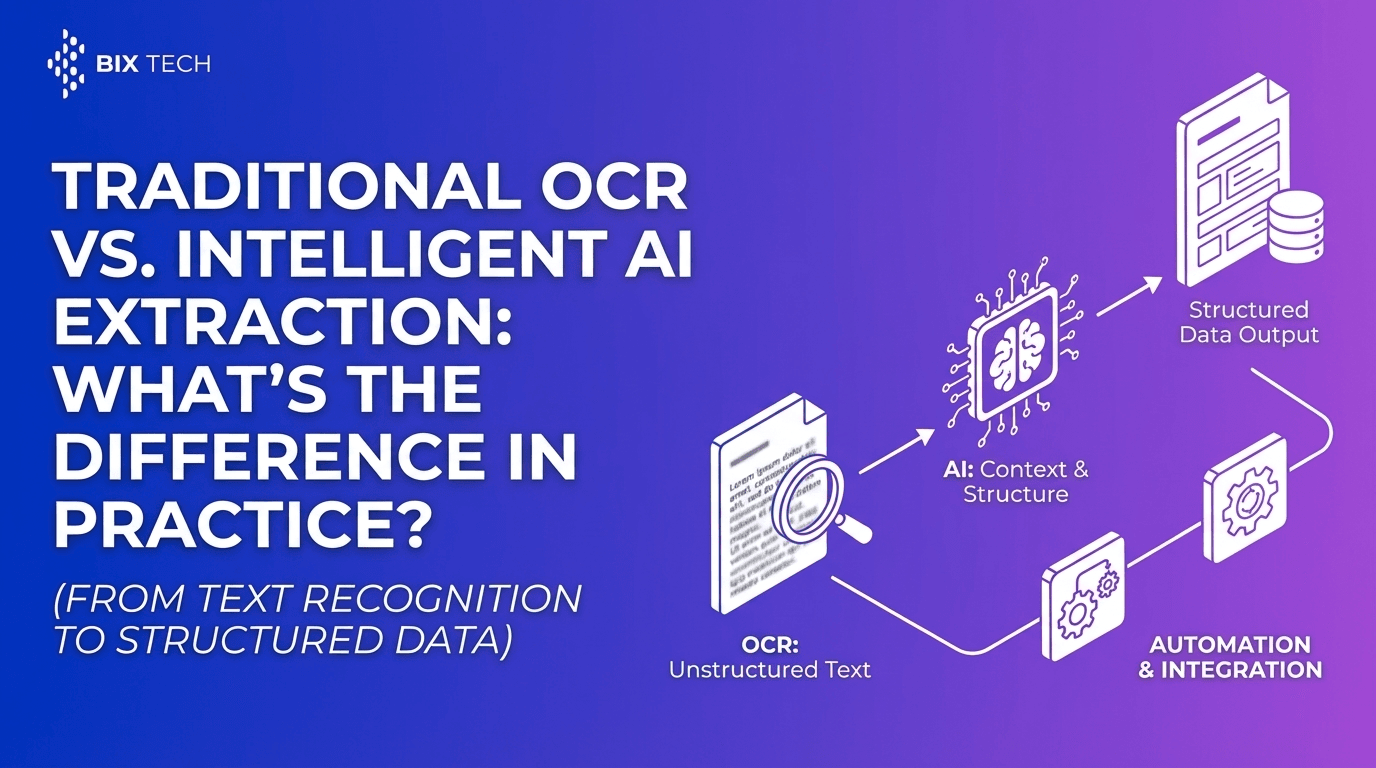
Parser is an intelligent document processing solution designed to automate the extraction of structured data from unstructured or semi-structured documents. By leveraging advanced AI and OCR (Optical Character Recognition), it eliminates manual data entry-reducing human error and improving operational efficiency.
In real estate terms, Parser helps turn “document chaos” into clean, usable data that can flow into your CRM, ERP, database, or reporting tools.
How Parser Works (in plain English)
You feed Parser documents (PDFs, scans, emails with attachments, images), and it extracts the fields you care about-such as names, addresses, invoice totals, due dates, property details, identification numbers, or contract dates-then outputs that data in a structured format.
Instead of someone reading and typing, your system captures the data automatically.
Key Features of Parser
Automated Data Extraction
Parser converts documents like invoices, receipts, contracts, and IDs into actionable digital data. For real estate teams, this can be the difference between spending hours processing transaction paperwork versus having key fields captured immediately.
AI-Powered Accuracy
Using machine learning models, Parser understands document layouts and context, which helps maintain high accuracy even when formats vary. That matters in real estate, where every lender, vendor, HOA, and county seems to use a different template.
Customizable Workflows
You can define the exact fields you want extracted based on your process. For example, a property management company may prioritize rent amounts, late fees, tenant names, and lease dates, while a brokerage may focus on contract dates, buyer names, listing addresses, and commission details.
Integration Ready
Parser is designed to integrate with ERPs, databases, CRMs, and business intelligence tools-helping you automate the end-to-end data pipeline. This is where document automation becomes a true workflow, not just a standalone tool.
Scalability
Whether you process 30 documents a week or 30,000 a month, Parser is built for high volume-ideal for growing brokerages, teams, and property management operations.
Value Proposition for Real Estate Teams
Parser transforms document-heavy processes into agile digital workflows. By automating the “read and type” task, it helps teams focus on strategic work rather than repetitive administration-cutting processing costs and improving data reliability.
Practical example:
A property manager receives maintenance invoices from multiple vendors in different formats. Parser can automatically extract vendor name, invoice number, amount, due date, and property address-then send the data to a spreadsheet or accounting tool for review and payment approval.
Top Real Estate Automation Tools for 2026 (That Actually Fit Together)
Real estate automation works best when tools connect into a simple system, not a tangled tech stack. Here are widely used categories-and where they shine.
Zapier (Workflow Automation)
Zapier connects your apps without code, allowing you to automate repetitive actions across your tools. For example, when a lead form is submitted, Zapier can create a new contact in your CRM, add a row to Google Sheets, and alert your team in Slack.
Realvolve (CRM + Workflow Automation)
A real estate-focused CRM like Realvolve helps automate lead management, follow-ups, and transaction workflows. The biggest benefit is consistency: every lead gets nurtured, every deal gets tracked, and nothing depends on memory.
Showcase IDX (Website + IDX Integration)
IDX tools help automate property search experiences and keep listing data current via MLS integration. This improves lead engagement because clients can search, save, and receive updates without waiting for manual sending.
AppFolio (Property Management Automation)
AppFolio supports leasing workflows, rent collection, maintenance requests, and tenant communications-especially valuable for teams that want to scale property management without growing administrative overhead at the same rate.
Zillow Premier Agent (Lead Generation + Routing)
Lead generation platforms can speed up client acquisition, but they perform best when integrated into your CRM and follow-up automation-so every lead gets immediate contact and structured nurturing.
ChatGPT (AI Assistant for Communication + Content)
ChatGPT can assist with drafting listing descriptions, follow-up emails, neighborhood overviews, and client FAQ responses. Used well, it improves speed and consistency while keeping messaging professional. It’s especially helpful when paired with a CRM that tracks context and client stage.
How to Automate Your Real Estate Workflow (Step-by-Step)
Automation succeeds when you treat it like a process improvement project-not a tool-shopping spree.
Step 1: Identify repetitive tasks that drain time
Look for tasks that happen daily or weekly, such as lead capture, follow-ups, appointment scheduling, document processing, transaction checklists, and status updates. If it’s repeatable, it’s automatable.
Step 2: Start with one workflow, not ten
Pick a single high-impact workflow and improve it end-to-end. A good starting point is often:
lead intake → CRM entry → follow-up → appointment scheduling
Or, if paperwork is your bottleneck:
document intake → field extraction → CRM/accounting update → review queue
Step 3: Add document intelligence early
Many teams automate notifications but still manually type data from contracts, invoices, and IDs. That’s why intelligent document processing tools like Parser are so valuable-because they automate the most error-prone part of operations. If you want a quick walkthrough, follow this guide on how to use Parser for document extraction.
Step 4: Connect tools for seamless handoffs
Use integration platforms (or native integrations) so that data doesn’t get stuck in silos. The goal is simple: information enters once and flows where it’s needed-CRM, spreadsheets, accounting, reporting, and task management.
Step 5: Monitor performance and refine
Track metrics that reflect real operational improvement: response time to leads, speed to first showing, days to close, admin hours per transaction, and error rates in documents. Automation should make these numbers better over time.
Best Practices for AI Automation in Real Estate (Without Losing the Human Touch)
Real estate is still a relationship business. Automation should support the relationship, not replace it.
One effective approach is to automate the structure while keeping the personalization. Let automation handle reminders, scheduling prompts, document extraction, and routine updates-but ensure your conversations, negotiation strategy, and client guidance remain authentically human.
A practical guideline:
If a task requires empathy, judgment, or negotiation-keep it human.
If a task requires repetition, copying, routing, or formatting-automate it.
Final Thoughts: Compete Smarter in 2026
In 2026, real estate automation is no longer a futuristic concept-it’s the operational foundation behind fast-growing teams. AI and automation help you respond faster, reduce errors, process documents efficiently, and scale without overloading your staff.
If you want a strong starting point, focus on the biggest pain point most teams share: documents. Tools like Parser bring intelligent document processing into your workflow, turning contracts, invoices, receipts, and IDs into structured data you can actually use-without the “read and type” grind. For teams evaluating rollout cost, you can review Parser pricing options.
When your systems run smoothly, you get more time for what real estate will always require: trust, expertise, and results.